







What Trump can — and can’t — do to the midterms
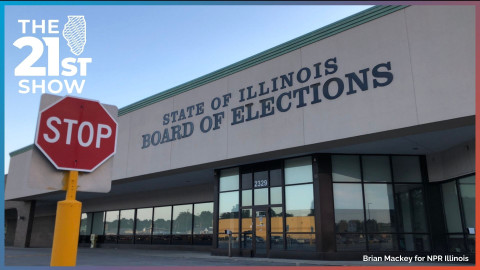
With just weeks until the Nov. 3 midterm elections, many people are worried about what could happen — from federal agents at polling places to the president trying to "cancel" the vote. Amanda Carpenter of Protect Democracy, a nonprofit working against authoritarianism in America, says some of those fears are unfounded, while others are worth preparing for.
Carpenter says President Donald Trump cannot cancel the midterms, because elections are run by states and counties, and the national emergency powers he's floated have nothing to do with election administration. She says the Justice Department has lost all 25 of its court cases seeking states' voter data, by her count, and that mail-in voting remains one of the most reliable ways to cast a ballot.
Her advice: make a plan, have a backup and vote early. The bigger vulnerabilities, she says, come in the roughly two months between Election Day and the seating of the new Congress, when results are counted and certified. "Panic is the enemy," she said.
Carpenter also discusses what she calls the unprecedented corruption of the Trump administration — from the Trump family's cryptocurrency profits to the White House ballroom — and why she says control of Congress matters for accountability.