








Two explosions, one plant: Inside ADM’s 2023 safety failures
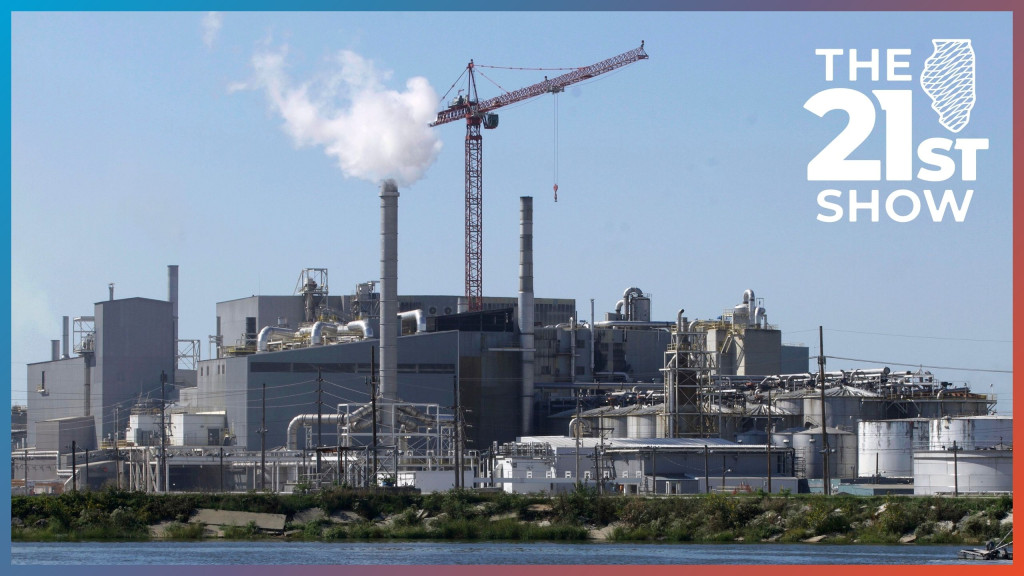
The Archer Daniels Midland Company plant is seen in Decatur, Ill., in this file photo from 2012. Seth Perlman/AP
// This is a machine generated transcript. Please report any transcription errors to will-help@illinois.edu.

[00:00:00]
Brian Mackey: From Illinois Public Media, this is the 21st Show. I'm Brian Mackey. Decatur is the home of Archer Daniels Midland's North American headquarters. It's also where the agribusiness giant has significant food processing operations, and ADM's influence in the city runs deep. It dates back to 1939, and ADM is Macon County's top employer. That means it's big news when something happens at ADM's Decatur plant, as was the case in 2023 when there were two explosions in the span of six months. There was one in April, another in September, the latter of which left 8 workers injured and took ADM's soybean processing operation offline for several months. But what caused those explosions was something of a mystery, at least outside the company, until now. We're starting to get a better idea about what happened and how ADM responded to it. That is thanks to newly public reports from the Occupational Safety and Health Administration. Sky Chadde, a senior reporter with [Investigate Midwest], obtained those and has been doing his own reporting around this. He joins us now to talk more about that. Sky, welcome back to the 21st Show.

[00:01:21]
Sky Chadde: Thank you so much for having me.

[00:01:23]
Brian Mackey: Listeners, you can join us as well. 800-222-9455. Maybe you are a [Decatur] resident. Do you remember these episodes? Maybe you know someone who works at ADM. Uh, let us know. 800-222-9455. All right, [Sky], maybe we can start with a brief timeline of the events in 2023, uh, beginning in April. What happened then?

[00:01:50]
Sky Chadde: Yes, uh, in April, that was the first of the two explosions, like you said in 2023. Um, that case, um, is still, um, technically open by OSHA, um, which means most of it is not public yet. Um, they're still negotiating the fine that ADM will pay. However, there has been some public, um, information released by OSHA, and what happened in that, um, April explosion, um, OSHA found it originated with poor maintenance that ADM had performed um on the system um that was supposed to put out any [fires]. Um, so, um, the system was supposed to be inspected annually, um, but in fact it had not been inspected since 2016, um, and so there was like this seven-year gap between the last inspection of the system and then this explosion in April 2023. Um, where it's very unclear if anyone knew the status of that, whether it worked or anything along those lines. Um, and so like I said, OSHA is still negotiating how much ADM will pay in fines for that case, and so a lot of what we know — a lot of what happened — is still not public yet.

[00:03:18]
Brian Mackey: I mean, is there some — yeah, I was like, can you talk about what, you know, we maybe understand caused the fire? I understand grain dust was part of the story?

[00:03:27]
Sky Chadde: Yeah, in the April explosion, yes. Um, that's been very consistent in all of these cases. Um, so between 2018 and 2024, um, ADM has had several grain dust explosions. Um, they haven't had one since then, but, um, grain dust is actually highly flammable. Um, and because these are grain processing plants, during this process, um, a lot of dust from soybeans or corn is flung up into the air, um, and it's just um kind of everywhere. Um, there are systems in place. ADM has systems in place um to catch this dust, and they're supposed to have um a whole maintenance routine, a whole maintenance system in place to make sure this dust is captured and kept out of the way. Um, so in the April explosion, when there was a fire that started, um, it was actually that system that didn't work. Um, there was just too much dust in the air, and when there was a fire, um, it caused the explosion.

[00:04:46]
Brian Mackey: So that's April. Let's fast forward then, what, uh, five or six months to September 2023. What happened then?

[00:04:55]
Sky Chadde: Uh, yeah, that one, um, it all started during a routine shutdown of this part of the plant that processes soybeans. Um, and what we were told — a former OSHA official told us that this is actually a very, uh, vulnerable time for these soybean processing plants — because there is a very, um, hazardous material called hexane involved. Um, and so ADM uses this material hexane to extract the oil from soybeans, which is then used in vegetable oil, um, hexane, you know, which anyone can use when they're cooking. Um, but hexane is also a material in paint thinners, so it's very flammable. Um, and so what happened during the September explosion, um, it involved two parts of the plant. Um, there was one building where the raw soybeans are crushed, um, and then they are transferred to another building and poured into these large vats, and these vats are filled with this liquid material hexane. Um, and that's where the extraction process takes place. Um, like I said, these are very vulnerable times, uh, because of this material.

Um, and OSHA essentially found, um, that there were kind of two scenarios, uh, where hexane escaped from this contained zone in the second building, um, and made its way into the first building, where it then met a spark. Um, to be clear, we're still unclear exactly what caused that spark, uh, but we have a much better idea of how the gas, um, escaped. Um, what happens is usually when the plant is up and running, um, there's a lot of soybeans going from the first building into the second building through this tunnel, and there's like a natural seal um into these vats, and so the, um, the hexane gas does not escape and doesn't pose a risk. Um, but what OSHA found is, um, ADM employees were leaving doors open in the second building, um, especially when it was hot out, um, you know, they wanted to be cool. Um, ADM managers had a hard time keeping those doors closed, and, um, at least one person was written up over it, apparently. Um, so it could have been that the gas escaped from these vats and then escaped out of these doors back into the first building.

Um, the more likely scenario, um, according to the former OSHA official we spoke to who reviewed these records for us, is that the backups that ADM had to ensure the gas didn't leak, uh, just didn't work that night. Um, so like I said, there's no natural seal anymore when this part of the plant is being shut down. And so there were backups, uh, probably the most important one was what's known as a slide gate, just a gate, and ADM in its, uh, like training material, um, and its safety documents told its employees this gate is going to close automatically. So you push a button and the gate closes and that seals in the gas. However, uh, the people who worked that part of the plant knew that that wasn't actually very accurate. Um, a lot of the times you had to take a wrench and actually close this gate manually. The button, you know, didn't really work. Um, and so, um, the people who were working there that night, it's unclear what kind of training they had — um, that's not clear in these OSHA records — but, um, they were new, um, they had recently been hired, um, and so it's just not very clear what exactly they were aware of when they were overseeing this process.

Um, but what — so they started the shutdown process, uh, this gate did not close, and for at least roughly an hour, uh, the flammable hexane was able to escape from the second building into this first building, and that's where it met a spark. Um, and just to be clear, it's still very unclear how exactly this spark was created. It could have been, um, malfunctioning machinery, uh, but the OSHA documents really kind of walk around what exactly happened there with the fire, uh, but we do know that a fire started, there was large amounts of hexane gas, and then, uh, the place exploded.

[00:10:29]
Brian Mackey: What was the human cost or consequences of these two incidents that we know about?

[00:10:37]
Sky Chadde: Yeah, um, there were several people — uh, like you've mentioned, eight people were severely injured, um, in this, um, September 2023 explosion. Uh, no one died, thankfully, uh, but, um, most or all of the eight people were hospitalized, um, and, um, many of them, um, were in comas, um, for at least a couple of days, um, like medically induced comas to save their lives. Um, one man, um, had to be airlifted to an Indianapolis burn unit, um, and he had burns all up and down his face and his body. Um, another man, um, it said in some of these records that his whole lungs burned. Um, and so there's just like, um, one lawyer, um, who represented, um, one person, um, injured in this explosion said that these are life-changing, um, injuries. You know, these are just injuries these people are going to carry for the rest of their lives.

[00:11:48]
Brian Mackey: So, after an episode like this — you've mentioned OSHA a number of times, the Occupational Safety and Health Administration — talk about their process. What, what happens when there is a sort of industrial, um, mishap or disaster, however you want to frame it, in this kind of episode?

[00:12:06]
Sky Chadde: Yeah, uh, OSHA gets there very quickly. Um, usually that can come from like media reports, you know, they'll see something on the news and they'll start going, or someone will complain. Um, so OSHA was on the scene, uh, I believe the day after the explosion. Um, however, because there was still so much damage, um, it was still deemed unsafe for them to actually get into the place where the explosion happened, and so they had to wait a little bit, um, in order to actually like, um, start looking around to see if they could, um, find any evidence or clues. Um, also typically what they do is they want to interview like people who were there that day, people who were injured, uh, these employees. Um, this is always, um, a bit of a delicate dance. Um, cooperation with OSHA is generally rewarded when there's these workplace investigations, and so, um, ADM did work with OSHA to interview, um, people who were there that day, the employees who were there that day. Um, and that's actually one of the most illuminating, um, documents that we have from this new batch of OSHA records — these interviews with several [ADM] managers, um, and the OSHA notes from those interviews, um, explaining what happened the actual day of. Um, so it's very useful in terms of, um, reporting for reporters like me.

Um, but the one thing that also happened in this specific case, when it came to OSHA's investigation, um — and OSHA can investigate anyone they want to try to get to the answer of what actually happened — um, ADM had hired its own third-party fire investigator. Um, he's a longtime firefighter in Illinois, and he specializes in these fire investigations. So ADM hired this man to figure out what exactly started the fire that then um collided with the hexane gas. Um, OSHA wanted to interview him, um, you know, privately, without ADM being around. Um, and then ADM said no, he is our witness and um we don't want you interviewing him. Um, and so OSHA could have pushed um to do that — they could have subpoenaed this person, uh, but ultimately they didn't in this case. Um, and what OSHA said was that they didn't need to, um, they felt like they didn't actually need to uh interview this person um separately.

[00:14:54]
Brian Mackey: We need to take a break in about a minute here, but does OSHA — I mean, from what you've been able to understand — does it seem like they got all the information they needed from ADM? Or was the company holding out in some way beyond what you just mentioned with this investigator?

[00:15:10]
Sky Chadde: Uh, that's a tough question, but I, um, it seems like they got most of what happened in terms of, um, what happened with the hazardous material hexane, but what actually led to the spark — there seems like there's nothing in the OSHA documents about that. Um, and if they'd been able to interview this fire investigator, they probably would have had a better idea of that. So I feel like half of the mystery here is still unsolved, because we don't know and OSHA doesn't seem to know what actually caused the fire that led to the explosion.

[00:15:42]
Brian Mackey: All right, we are gonna take a break on the program. We're speaking with Sky Chadde, senior reporter for [Investigate Midwest], uh, about two explosions that took place at Archer Daniels Midland's Decatur plant back in 2023. Uh, it wasn't entirely clear what caused those explosions, the one in September in particular, but uh now public OSHA investigation is painting a better picture of what happened. We'll talk more about this after a short break. If you want to join us, 800-222-9455 is the number. 800-222-9455. This is the 21st Show. We'll be right back.

It's the 21st Show. I'm Brian Mackey. We are speaking with Sky Chadde, a senior reporter at [Investigate Midwest] about uh two explosions that happened at Archer Daniels Midland's Decatur plant back in April and September of 2023. Now public OSHA investigation — the Occupational Safety and Health Administration — is painting a better picture of what happened then, uh, than we got at the time. If you want to join us today, 800-222-9455. 800-222-9455. So, uh, [Sky], you tried talking with ADM. What have they said about this?

[00:17:15]
Sky Chadde: Uh, I've definitely been trying to talk to ADM for, um, about two years now about uh this series of explosions they've had, and it's been very difficult. Um, we tried multiple times. Um, I tried two different, uh, communications people at the company to try to talk about this specific incident, and they have not said anything. Um, what they have said in the past, and what they have told their shareholders, um, is that they're very devoted to safety, um, and that, um, they've kind of redoubled their efforts to, um, try to improve their safety in the wake of this 2023 explosion. Um, and I believe I said earlier, but since summer 2024, they have not had, um, any explosions, and so, um, it's hard to know what exactly has happened um inside the company since this explosion, um, but at least publicly they have not had any major incident like this since then.

[00:18:23]
Brian Mackey: Yeah, well, I guess to that point, we had somebody who identified themselves as a Decatur resident — didn't want to stay on the line, didn't want to share their name — but they pointed out ADM is a very large company, recalled Gorbachev, the Soviet premier, back in the 1980s coming to visit ADM, uh, which speaks to its global significance, and uh this person said there's a refrain in Decatur: what happens at ADM stays at ADM. And I gather you also tried to talk to some local government officials about the explosions, with varying degrees of success. What did you hear there?

[00:18:59]
Sky Chadde: Uh, yes, uh, varying degrees of success is a very apt description. Um, uh, I spoke to a couple, um, who said, uh, essentially kind of the same thing, that, um, they're very proud to have ADM in the community, um, you know, like it really is the biggest employer, um, it obviously provides a lot of jobs. Um, however, um, you know, the criticism was, they need to have more information about these incidents, and they would like ADM to be at least a little bit more transparent when it comes to incidents like these, you know, and in particular, how they are improving safety um for the people who work at the plant and um live in Decatur, um, just so people have a much better idea of, you know, when they go to work, you know, these are the safety um measures in place, um, so they'll be able to return home that night safely.

Um, the others — so most of the city council members declined to comment. Um, you know, I don't, they didn't tell me why. Um, but, um, yeah, I thought I was gonna get more people to comment, more city councilors to comment on this.

[00:20:23]
Brian Mackey: Yeah, interesting. I should clarify — uh, thanks to the quick, uh, work of our producers — uh, Gorbachev was actually the former Soviet leader because it was 1992 when he did come to visit, um,

[00:20:34]
Sky Chadde: ADM,

[00:20:35]
Brian Mackey: uh, so, uh, what questions do you still have? Where is your reporting going from here?

[00:20:41]
Sky Chadde: Yeah, I definitely would still like to know more about um how uh ADM views safety internally. Um, I would love to know kind of what steps they took after this series of explosions between 2018 and 2024, um, how they addressed those, um, and what things have changed. Um, those are all things that we're trying to get at. If anyone knows anything or just generally has a tip, um, my contact info is on our website. Um, but yeah, we're still continuing to work, um, on some stories, um, reporting about like safety at ADM, um, and I believe I said this earlier, but, um, OSHA has still not technically closed its investigation into the April 2023 explosion, and so when those records are available, um, we will be pursuing a story about those. Um, so, generally just trying to understand, get a much better understanding of um the safety environment um at this Decatur facility.

[00:21:45]
Brian Mackey: You know, can we just — uh, we're coming to the end of our time together — just taking a step back. You know, from your standpoint as a reporter, trying to get information on a public company like this — right, ADM is traded on the markets, uh, I believe, correct me if I'm wrong about that — uh, versus like a local government where we have Freedom of Information Act laws. How is that different? How does that affect your approach?

[00:22:09]
Sky Chadde: It definitely makes it a lot harder. Um, I definitely wish I could FOIA, uh, big companies like this. Um, I will say, um, ADM as a public company, um, actually does have to release quite a lot of information. Um, there are private companies, uh, say for instance like [Carhill]. Um, that does not have to release anything to its shareholders. Uh, it's a pretty big black box. Um, but ADM has to release a lot of information, especially financial information, uh, to its shareholders. Um, but when it comes to things like this, like safety, I mean, really the only way in is if, uh, former employees or employees at the time, um, want to talk to us, but obviously they don't have an incentive to do that. Um, and so OSHA — these OSHA documents — are really a window into what's going on there in terms of worker safety. That's really the best way in.

Um, some of that — uh, like an added element to that if I still have some time — is, um, you know, OSHA does not have a lot of resources right now, um, and has a really low number of investigators, and so it kind of has to pick its battles when it comes to like what to investigate, how much to investigate, you know, um, and so we're kind of at the whims of like how much resources this relatively small government agency has, um, when, you know, trying to figure out like what's going on at these really big companies that employ a lot of people.

[00:23:33]
Brian Mackey: A small agency, but at this time when the administration says it's trying to spark a renaissance in American manufacturing, that's interesting. Is this, you know, part of the DOGE story? What happened, uh, why OSHA maybe has not the headcount that it might need to pursue its work?

[00:23:50]
Sky Chadde: Uh, that is definitely part of it. Um, I, to be frank, I'm not sure if DOGE actually, like, um, cut anyone related to —

[00:23:59]
Brian Mackey: I don't want, I don't want you to go outside your reporting if that's not something you've covered, but yeah.

[00:24:03]
Sky Chadde: Um, but what I will say, um, is that just the environment that DOGE created has led a lot of longtime government employees to leave, um, and there's been kind of an exodus of Department of Labor — U.S. Department of Labor — attorneys who could help, uh, OSHA investigators bring cases and subpoena witnesses and all that, and so there's definitely like fewer resources at the federal level to handle investigations into, you know, big companies that have a lot more resources.

[00:24:34]
Brian Mackey: Yeah, looking at one organization reports that DOGE did close nearly a dozen OSHA field offices, or at least announced that in early 2025. All right, well, I'm sure there's more to do here, and Sky, I hope you'll return if you learn more in the future. Thanks so much for sharing your reporting with us today.

[00:24:53]
Sky Chadde: Thank you for having me.
In 2023, two explosions rocked Archer Daniels Midland's Decatur plant — one in April, another in September. The second left eight workers severely injured. Several were placed in medically induced comas, and one was airlifted to a burn unit in Indianapolis.
Newly public records from the Occupational Safety and Health Administration offer a clearer picture of that September blast. They show hexane — a flammable solvent ADM uses to extract oil from soybeans — escaped during a routine shutdown and met a spark. What caused that spark is still unknown. ADM declined to let OSHA privately interview the fire investigator it hired, and the agency didn't press the issue.
Investigate Midwest senior reporter Sky Chadde obtained the records. He joins us to talk about what they show, the April explosion OSHA is still investigating, and why it's so hard to see inside one of Illinois' biggest companies.
Discussed
- Investigate Midwest: "Wasn't a Freak Accident:" New Records Show How ADM's Safety Lapses Injured Several Employees in 2023 Explosion
- Investigate Midwest: "I Know I Have a Dust Problem:" ADM Repeatedly Failed to Prevent Potentially Deadly Grain Explosions
- Occupational Safety and Health Administration: Inspection: 1696750.015 - Archer-Daniels-Midland Company
- Archer Daniels Midland: ADM Statements Regarding East Plant Incident
Guest
Sky Chadde
Senior reporter, Investigate Midwest