








Transcript: The latest on legal cases in Illinois
Transcript: The latest on legal cases in Illinois
The 21st Show
The latest on legal cases in Illinois
Read the full story at https://will.illinois.edu/21stshow/the-latest-on-legal-cases-in-illinois.
Transcript
// AI-assisted formatting failed. Using simple formatter.


// This is a machine generated transcript. Please report any transcription errors to will-help@illinois.edu.

[00:00:00] Brian Mackey:  It's the 21st show. I'm Brian Mackey. For the next part of the program, we had planned to bring you a conversation on the strike among service workers at Illinois State University. But then overnight, ISU announced they had reached a tentative agreement with AFSME Local 1110, subject to approval of the membership. Part of the agreement is that both sides agreed not to talk about what's in it until that vote happens. So for now, that is that. Instead, we're going to talk about a number of legal cases involving Illinois and Illinoisans with my friend Hannah Meisel, who covers mainly legal affairs for Capitol News Illinois. We taped this conversation earlier this morning. Hannah, thanks for stepping up last minute.

[00:00:50] Hannah Meisel: I'm glad to be here.

[00:00:52] Brian Mackey: All right, so the Trump administration wants data on Illinois voters. What is going on there? Yeah,

[00:00:58] Hannah Meisel: this is a search that's kind of a year in the making. The Department of Justice has requested this. Information from many states, um, but Illinois, like, uh, a lot of other states, um, it definitely democratically run states have refused to give the Department of Justice the full unredacted, uh, voter roll information and. Um, in response to that refusal, the DOJ in December sued, uh, the state of Illinois along with, uh, some of those other states, and, um, in documents, um, filed, uh, recently in that case, um, it was basically kind of suggested that, uh, what the DOJ had asked for, uh, you know, to make sure that states were. Um, following federal law, um, in terms of, uh, preserving, you know, their voter rolls and maintaining them, um, was basically a pretext. Um, let me read for you, um, from my colleague Peter Hancock's story that was published yesterday, a second document filed last week in the Illinois case, uh, an email from the acting chief of the Civil Rights Division. Etc. I believe our reply should always be we will use the data in a manner consistent with the federal law and say nothing more. None of them, uh, none of the federal laws, uh, require, uh, the DOJ to give the state's information about what we're going to do with the data. No judge will have authority to limit. Us beyond a promise of federal law compliance, um, so this is a really interesting case. I also wanna note that, um, no, in a couple of, um, jurisdictions federal judges have thrown out, uh, cases from, uh, you know, the similar cases filed by the DOJ, uh, requiring this information. Um, and no, uh, federal judge yet has, um, you know, come out on the side of the DOJ, but I just, I, it's interesting and revealing, um, you know, what the DOJ wants to do with this information which is basically, um, as, uh, those who oppose the effort say, uh, to basically purge voter rolls in ways that, um, are. you know, kind of taking a bulldozer where maybe a scalpel should actually be involved.

[00:03:35] Brian Mackey: I think it's worth remembering the context as well that President Trump has said, you know, Republicans should take over the elections, federal Republicans. So clearly this seems to be part of a bigger strategy that they're employing that also includes, you know, redistricting in a lot of states we're seeing rushing in, especially after the Supreme Court's voting rights decision. Uh, a week ago or so. All right, well, that's something that that's going to continue, we can continue to watch. You mentioned that no state has yet approved or no judge has yet approved this request of information from states. What happened do you have a sense of what happens next here? What, what is the next phase of this case?

[00:04:13] Hannah Meisel: Yeah, I think that we're gonna, uh, see a lot more, um, you know, motions before this case, uh, ultimately gets to any sort of decision making, uh, phase, but you know, in those motions we could see, uh, even more documents come out, um, you know, these documents that, uh, uh, were filed. Um, were actually, uh, obtained through Freedom of Information request and so we don't know what else might come out and it's also interesting to note that some of the folks behind it were former DOJ attorneys who want to, I guess, basically expose what they believe is happening at their former agency.

[00:04:56] Brian Mackey: All right, well, that is one way that the federal government is attempting to, uh, you know. Take it to the the people of Illinois through through the law and the courts. Another one is through an investigation into Illinois schools regarding teaching on gender. You covered this story recently. What what is that all about?

[00:05:15] Hannah Meisel: Right, the Department of Justice has um uh, basically opened investigations into, uh, dozens of school districts across the country, uh, you know, this calendar year, um, and then also last year, but this goes back to one of, uh, President Trump's first actions back in office. When he was, um, you know, sworn back in for a second term, uh, last year in early February 2025, he signed an executive order, um, about keeping men out of girls' sports, um, you know, this of course is a controversy that's been, uh, uh, you know, swirling in the last several years, uh, extremely, extremely, extremely rare, but it's definitely gotten. The hackles up of, you know, uh, parental rights groups and even, you know, just normal parents who otherwise might not have been, uh, very politically involved or politically inclined, um, it's one of those, uh, things that really, uh, I think does break through, uh, especially if you have, um. If you have school age children participating in sports, um, but under the auspices of this executive order, um, the doOJ and the, uh, federal Department of Education, uh, to even though it's been, uh, somewhat dismantled also. Uh, to the extent that it's still alive, uh, the two of these agencies have partnered up. They have created, um, a special investigations unit, and they have been, uh, doling out, you know, notices of investigations to many school districts. and so, uh, last week, um, the DOJ. is investigating 35 Illinois school districts plus, uh, Chicago's largest charter school network, the, uh, Noble schools, um, for quote unquote, you know, teaching gender ideology and, you know, making sure that these, uh, districts have an opt out process, uh, if they are teaching. this quote unquote gender ideology and then also um you know investigating whether they are allowing uh biological males uh you know trans girls to participate in uh girls sports and also you know what their single sex bathroom and locker room policies are. And the uh districts are kind of spread all over Illinois. It's really interesting. I'm uh created an interactive map, uh, so, uh, readers could see just how kind of random it seems the spread is. It really doesn't involve a lot of the big suburban school districts that have actually been in the headlines in recent, you know. the last decade or so involving these issues, um, a lot of them are actually quite small rural school districts um like I mentioned also the Chicago's largest charter school network and um you know they're just all over the state also um Bloomington school district one of the largest of course school districts in the whole state of Illinois. Um, you know, one, superintendent did have a theory, uh, that these might be consistent with, uh, schools that have applied and gotten, uh, DOJ grants, uh, that have to do with school safety, um, and maybe that's what, uh, flagged these districts, but, um, for now it's kind of an unanswered question why these particular districts have been, uh, flagged, and we don't really know yet what the. Investigation might entail, like I said, the DOJ has, uh, done similar, you know, open similar investigations and in a handful, uh, at least according to their press releases they have, um, you know, closed the investigation and found, um, quote unquote violations of federal law, but, um, the DOJ did not return any requests for comment, um, and it's just a very kind of opaque process I would say.

[00:09:19] Brian Mackey: Yeah, I mean, I'm, I'm really, I was curious when this came out, you know, Lick Creek Community Consolidated School District 16, which is P through 8. I mean, I, I, I would be surprised if they're, you know, put gender queer on the curriculum or something like that there. So, it is sort of an open question, like you said, exactly what the, you know, alleged violations in, in each district are, yeah.

[00:09:41] Hannah Meisel: Yeah, it's um again, very opaque. I, I think the districts themselves really have no idea why they've been, um, you know, I guess targeted in this way. Um, and you know, the state did back in 2019, um, Governor Pritzker, while he was still a new governor, did sign a bill that, um, you know, not unlike many similar, um, pieces of legislation in the last decade or so that say, hey, you know, Illinois history curriculum should include a little unit on say Asian American. Uh, contributors to, uh, state and national history, um, you know, black, uh, historical figures, um, Hispanic historical figures, there was a bill, um, back in 2019 that he signed into law that would include, you know, uh, LGBT, uh, historical figures. Um, it's really unclear how much that has impacted, uh, any, uh, particular curriculum, but again. That was a statewide bill and Illinois has something like 800 public school districts and these 35 plus the big charter school network just, uh, very random again.

[00:10:58] Brian Mackey: fascinating. All right, well, let me remind listeners this is the 21st show we're speaking with Hannah Meisel who is a reporter specializing in legal affairs coverage primarily for Capitol News Illinois, the statewide news service based out of the state capital in Springfield. although Hannah. is based in the Chicago area. A little more than 5 minutes left in our time together. Let's talk about some of the immigration enforcement. There has been, you know, this was obviously a big story last fall. Uh, by the way, congratulations to our friends at the Chicago Tribune who just won a Pulitzer Prize for their coverage of Operation Midway Blitz. Uh, but there has the legal fallout of that case is still going on. So talk about the Broadview Six. Let's start there.

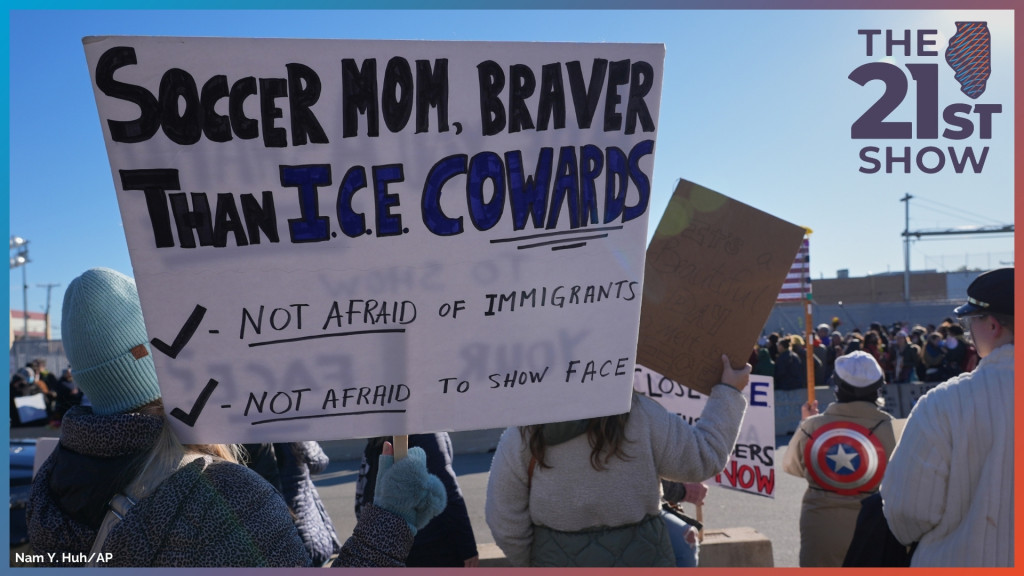
[00:11:43] Hannah Meisel: Uh, this is one of the kind of enduring cases, um, you know, our colleagues at the Chicago Sun Times have done a great job tracking all of the, uh, civil cases that have, uh, you know, don't have to do with actual, you know, people's actual immigration status, um, and of those, you know, few dozen cases, the vast majority have, um, you know, either been dismissed or, you know. Uh, somehow else resolved. Only recently have there been a couple of guilty pleas. So, uh, the feds have really, um, not been having a great batting average, um, in the cases that had that came out of, um, those, uh, you know, couple of months, uh, during Operation Midway Blitz when protests were very intense. But this, uh, the so-called Broadview 6, I'll remind listeners, uh, were 6. Individuals who were protesting at the ICE facility in suburban Broadview in late September, um, just a few weeks into this mass deportation campaign, um, they were indicted in mid-October, made public, I think on Halloween, and The feds happened to charge these six people including then congressional candidate Kat Abughazaleh and 5 others who were, uh, you know, politically involved, some candidates, some local officials in the Chicago area, and, um, you know, they were charged with an overall conspiracy charge which is pretty rare, um. For, uh, protests, but, uh, according to sources I've talked to, um, kind of an increasing tactic which has been really interesting to watch and also, uh, charged with misdemeanors, uh, that they had assaulted in. Which doesn't actually require touching because they were blocking a vehicle from entering the ICE facility that had driven through the crowd of protesters last week, very suddenly we have a what's supposed to be a trial coming up at the end of May. for the remaining 4 defendants, uh, the feds said, Hey, we are dropping the big conspiracy charge, um, which was kind of a win for these 4 because they've said all along that the conspiracy charge was. You know, extrajudicial basically and completely out of line, but it also then would block them from seeking the grand jury transcripts that ultimately got them indicted, and I think we'll see that that fight is going to be ongoing because they want to know what happened in that grand jury room the 3 times that the grand jury was called to meet about these possible charges that ultimately resulted in the indictment. Um, because that's an opaque process that they want to, you know, really understand what the DOJ is saying to get these charges filed.

[00:14:53] Brian Mackey: Well, uh, maybe just time for one more story here which is related to immigration enforcement and midway blitz, and that is this demand for a special prosecutor. There's a court hearing that's going to be coming up soon. Who's asking for that?

[00:15:08] Hannah Meisel: Yes, so this group, uh, this is an ongoing thing for months now, um, you know, after Operation Midway Blitz wound down, um. You know there's been calls for obviously if the feds are not going to investigate their own federal immigration agents for possible abuses that were committed during Operation Midway Blitz that You know, state and local authorities, particularly the Cook County State's Attorney, should, um, at least investigate and file charges. Now the Cook County State's Attorney Eileen O'Neill Burke has said for months now that her office is not equipped, is not legally able to, um, you know, do this for a number of reasons. First, the supremacy Clause of the US Constitution, you know, says that. Uh, you know, basically federal agents are not really under her purview as a local. Prosecutor, uh, and also that she would need local law enforcement to forward her, um, you know, kind of ch uh an investigation in progress for her to assist and then ultimately file charges, but, uh, you know, a growing number of elect local elected officials and advocates want her to file charges just as in. Uh, Minneapolis, the Hennepin County, uh, state's attorney has been doing, um, after, of course, the, um, murder of Alex Preddy and Renee Good in January, um, resulting from their own protests. Um, and so, uh, you know, finally we're gonna see, uh, next Monday a local, uh, Cook County judge rule on whether or not a special prosecutor, uh, can and should be appointed. Um, it's gonna be really interesting, um, to see what the rationale may be and, uh, if this actually happens.

[00:17:16] Brian Mackey: Hannah Meisel with Capitol News Illinois, thanks for your time. Thank you. We're gonna continue The 21st Show after a short break. Stay with us.
Transcript Assistance
Illinois Public Media may use AI assistance for transcript generation and/or formatting. Transcripts that have not yet been reviewed for accuracy will be labeled.
To report a transcription error, or to request transcription of archival material, please contact will-help@illinois.edu.