







Meet “All Creatures” Composer Alexandra Harwood
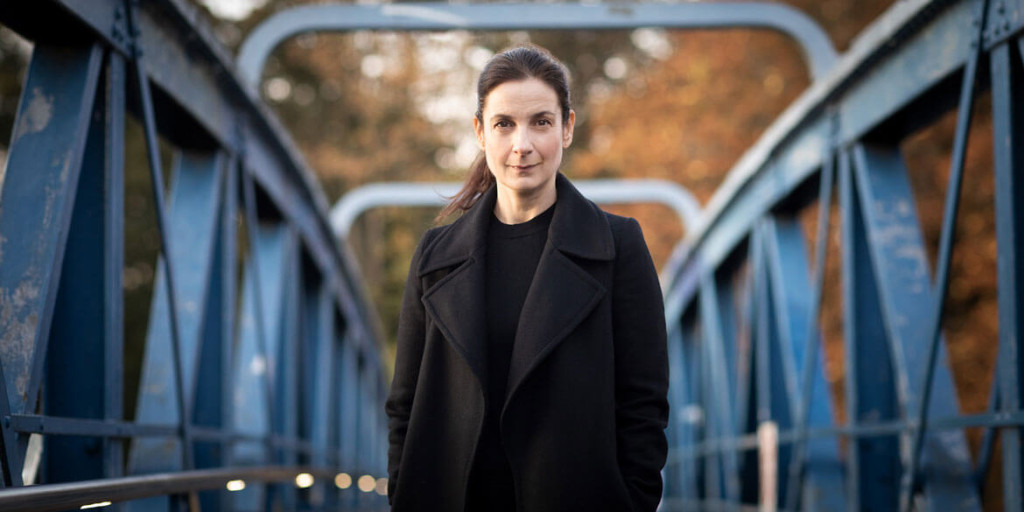
Composer Alexandra Harwood / alexharwood.com
BAFTA Cymru Award-winning composer Alexandra Harwood is best known for her TV and film scoring, particularly for the beloved Channel 5/MASTERPIECE series All Creatures Great and Small. Ahead of the release of season 6 on PBS on January 11, we’re taking a look at Harwood’s career thus far and how she brings the characters of Darrowby to life through music.
In an interview with PBS, Harwood explained that she grew up watching the original BBC television series of All Creatures Great and Small with her family in the 1970s. She hadn’t thought about the show for decades until she started dating a veterinarian, who said on their first date that his training in the fields outside Liverpool was akin to All Creatures Great and Small. Two days later, in a remarkable coincidence, her agent asked if she would like to pitch for a new All Creatures adaptation.
Harwood was invited to score the first season of All Creatures Great and Small after filming had already wrapped. Before she began scoring, the producers invited her to experience the landscape of the Yorkshire Dales for herself. Harwood said this was essential in developing her understanding of the show because “the Dales is a central character to the show, it is the heart and soul of this drama, really, and the people and everything about it.”
The first challenge was coming up with the title music. The producers wanted a theme that was as comforting as a “warm bath” and signaled to the audience that they had “come home to the Dales.” It also had to be just as memorable as the iconic original theme written by Johnny Pearson while differentiating it as a new adaptation of James Herriot’s books rather than a remake of the 1970s BBC series.
After two months of working on the theme to no avail, inspiration struck while Harwood was walking her golden retriever, Brinkley. She quickly sang the theme into her phone before she could forget it, and mocked up a piano demo when she got home. The producers loved it. It has since become as beloved as the original theme, spurring numerous fans to post their own renditions online.
For the rest of the score, she drew inspiration from the actors’ performances to devise themes associated with the characters and places. Drawn from the title music, James’s theme also serves as the theme for the Dales—fresh and innocent. Tristan’s theme, by contrast, captures his mischievousness with a jaunty clarinet melody over pizzicato strings. The bassoon is used to signal Siegfried’s pomposity and age, whereas the oboe is associated with Helen and the flute with her younger sister, Jenny. The themes for “home" and Mrs. Hall are one in the same, as Mrs. Hall is home for many of the show's characters.
The characters’ themes have shifted as the series has gone on to reflect their development, as well as the slight darkening of the show’s tone with the onset of World War II. For instance, as Tristan has matured, his theme from season 1 has come to signify general mischief instead. Siegfried’s pompous bassoon theme has also become softer as more layers to his character have been revealed under his crusty exterior.
In an interview with Sarah Stuart of Musifée, Harwood said the sheer length of a multi-season television series presents both a challenge and an opportunity that scoring a self-contained film does not. “To reinvent your themes is challenging, but nice,” she said. “Otherwise, I would get bored just repeating things—as would the audience. I’m always trying to just slightly reinvent things, and luckily the stories make me introduce new things as well.”
This sensitivity to character development partially stems from Harwood’s upbringing as the daughter of Academy Award-winning author, playwright, and screenwriter Sir Ronald Harwood. Her creativity was cultivated from a young age. She would pick out tunes from television and film on the piano from the age of three and began writing her own music soon after.
Harwood studied classical composition at the Royal College of Music under Joseph Horovitz. She then went on to the Juilliard School for her master's degree to study with Milton Babbitt. There, she began writing music for the theater department’s plays, eventually becoming their resident composer.
At 28 years old, Harwood stepped back from composition to raise her three children. After a 14-year hiatus, she “started to get itchy feet,” she told Sheet Music Direct. Believing film and television composition was her best chance at supporting her family, she applied to the National Film and Television School. After graduating in 2013, she cut her teeth scoring numerous short films. Her big break came with a documentary feature for Disney/Netflix in 2016 called Growing Up Wild.
Alongside her music for All Creatures Great and Small, Harwood is best known for her score to Mike Newell’s 2018 historical drama The Guernsey Literary and Potato Peel Pie Society, starring Lily James. While television and film scoring are her main focus, she has continued to compose concert music, including multiple full-length ballets.
Season 6 of All Creatures Great and Small premieres on WILL-TV at 8 pm on Sunday, January 11. All seven episodes of season 6 will be available to stream with WILL Passport beginning January 11. Can’t wait until then? Illinois Public Media and the Abraham Lincoln Presidential Library and Museum will host a preview of the first episode of season 6 at 6:30 pm on Thursday, January 8 in the museum’s Union Theater. This is a free event but advance registration is required at presidentlincoln.illinois.gov/events.