








Exploring the Idea Garden in Urbana
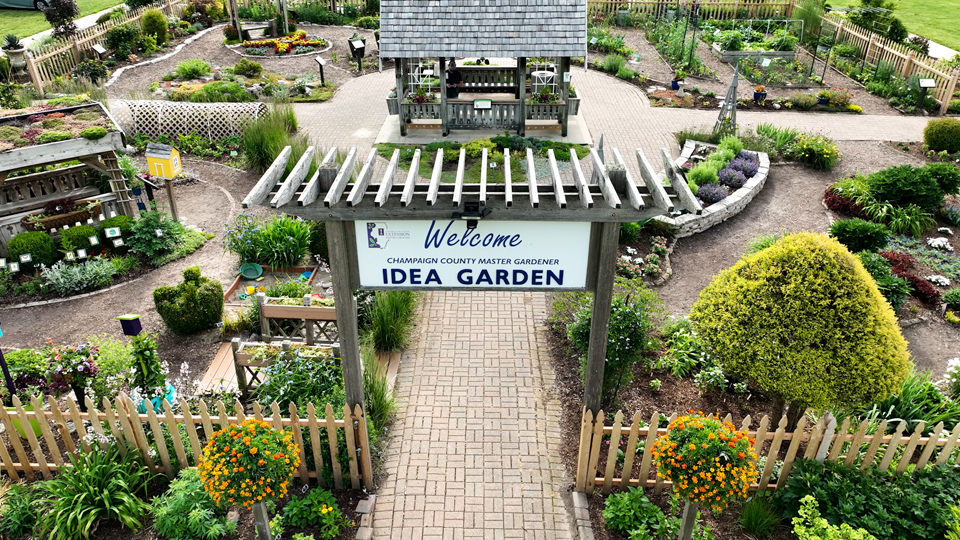
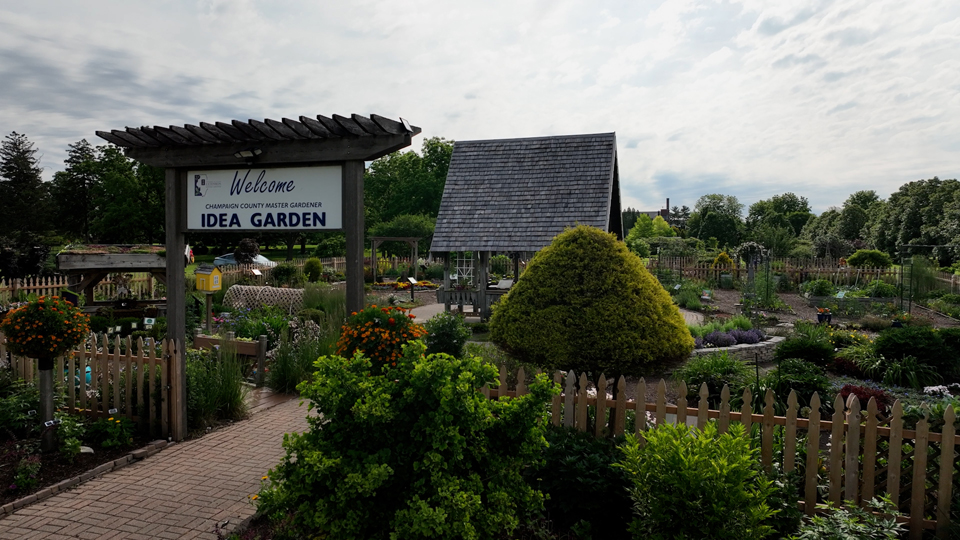
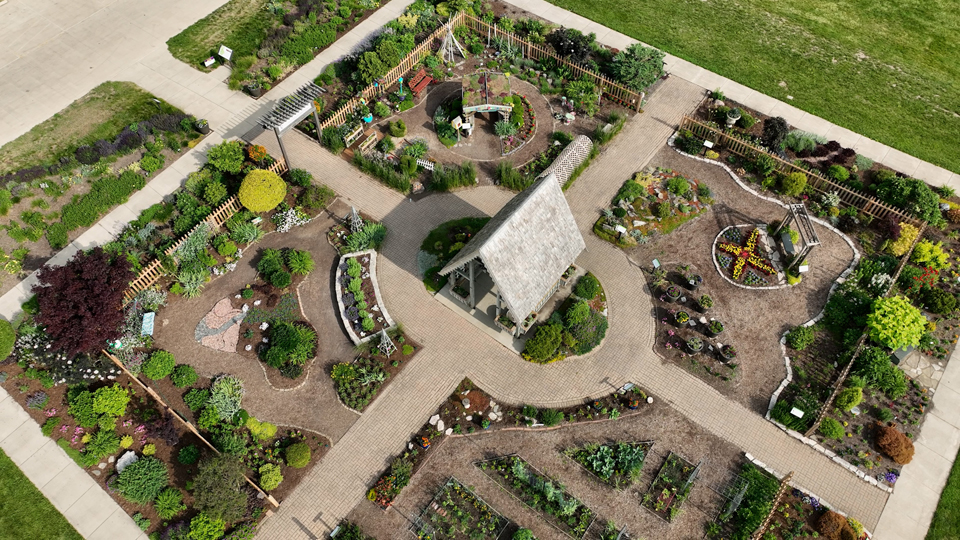
Mid-American Gardener takes viewers out of the studio and into the Idea Garden in Champaign-Urbana, a public “demonstration garden” where Champaign County Master Gardeners showcase practical ideas that visitors can adapt to their own yards or even a single container at home. The garden welcomes everyone—from serious gardeners to people who simply stop by after work for a quiet moment of reflection.
A Living Classroom, Not a Show Garden
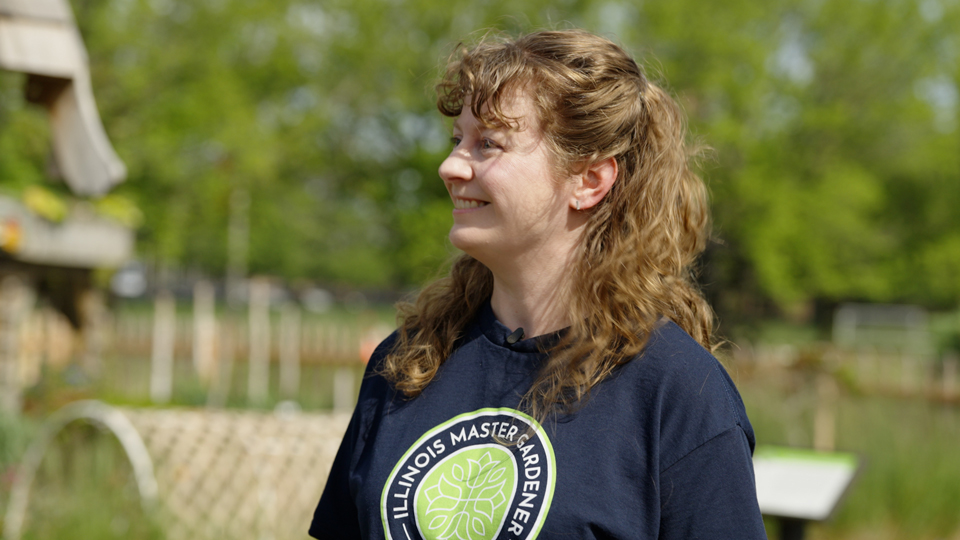
Master Gardener and tour organizer Gwen Rudy describes the Idea Garden as a place where volunteers experiment with plant combinations, unusual species, and new growing techniques. Every plant is labeled, and larger signs explain what’s happening in the beds—whether insects are feeding on foliage, a planting has failed, or a section wants to highlight something special. Rudy emphasizes that this is “not a perfect show garden,” but a place where gardening is practiced honestly, so visitors can see how plants really behave in a home landscape.
Vertical Veggies and Community Giving
The vegetable garden is one of the most popular sections. Volunteers use simple, easily obtained materials to grow vegetables vertically, demonstrating space-saving techniques that home gardeners can replicate without much expense. The section also models no-till organic gardening: crops are often cut at ground level during harvest to avoid disturbing the soil. All vegetables grown throughout the summer are donated to local charitable organizations, turning the garden’s productivity into direct community support.
Keeping the garden thriving is a major volunteer effort. Rudy notes that about 6,000 volunteer hours go into the Idea Garden between April and November each year. Sections are organized by interest—such as the children’s garden, vegetable garden, and native plant area—and volunteers do extensive planning during the non-growing season. Each section has its own work times, and visitors are encouraged to approach Master Gardeners with questions whenever they see them in the garden.
Children’s Garden: Playful, Hands-On Nature
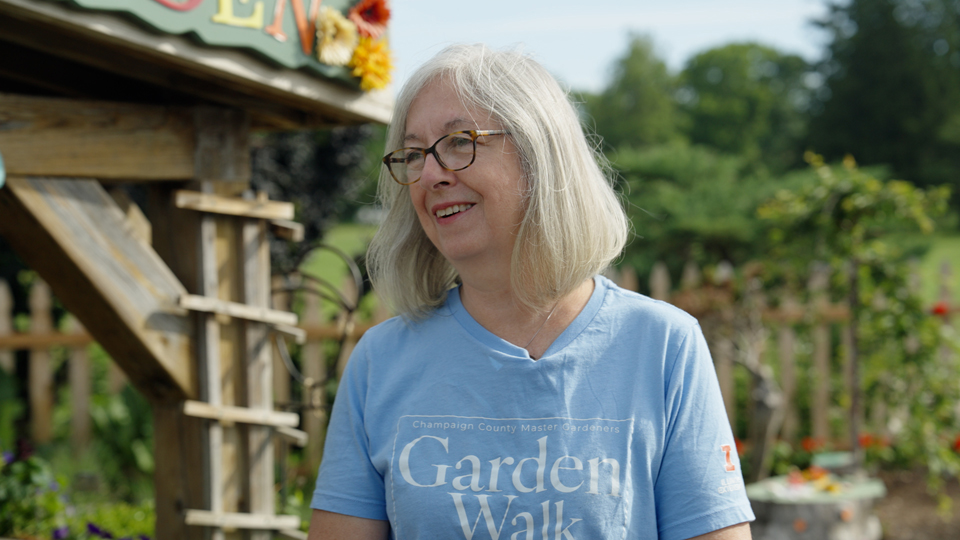
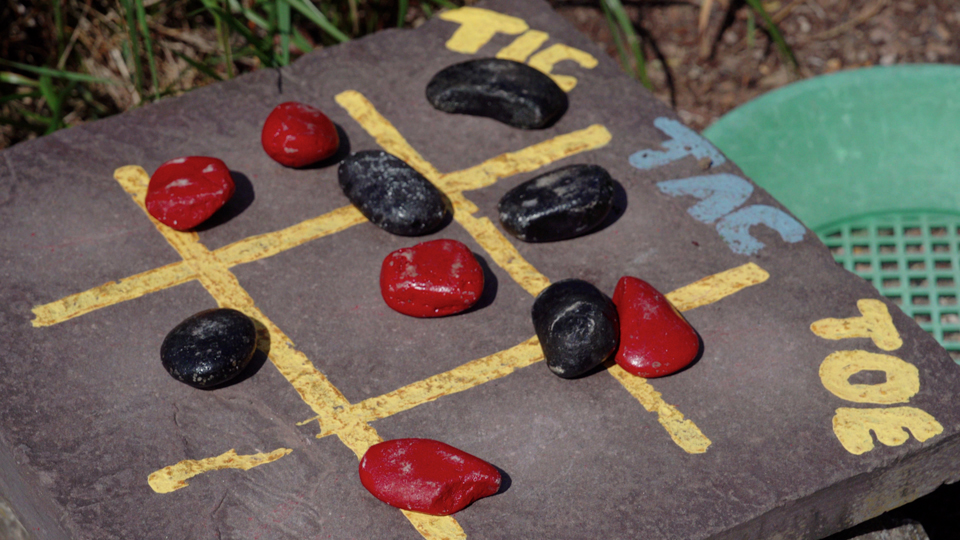
Co-chair Judy Dears leads the Children’s Garden, a space she first discovered when her own children were toddlers and “fell in love” with. The mission is to help kids connect with nature through a bright, colorful, and interactive garden where they can play outdoors and, in the process, develop curiosity about plants. The team also aims to educate parents by showcasing inexpensive, easy-to-build backyard ideas that require no power tools, so families can recreate similar play spaces at home.
One highlight is a rainbow garden made entirely of flowers arranged by color—red, orange, yellow, green (represented by bushes), blue, and violet—mirroring the rainbow lessons many children learn in school. The plants are small in spring, but Dears encourages families to return week after week to see the display “bursting with color” as the season progresses.
Throughout the Children’s Garden, picture-based signage helps kids connect plant names with visual features, such as elephant ears and other distinct foliage. A “secret tunnel” made from vines climbing over a simple frame creates a hidden path for children to run through; the team experiments with different vines each year, hoping to fully cover the structure. Nearby, a fairy nook—often the children’s favorite spot—features painted stumps, artificial flowers, and handmade fairies crafted from pipe cleaners, beads, and yarn, all created during a winter crafting session. The fairies and small animal figures are moved around by visiting children, a visible sign of play that delights the volunteers.
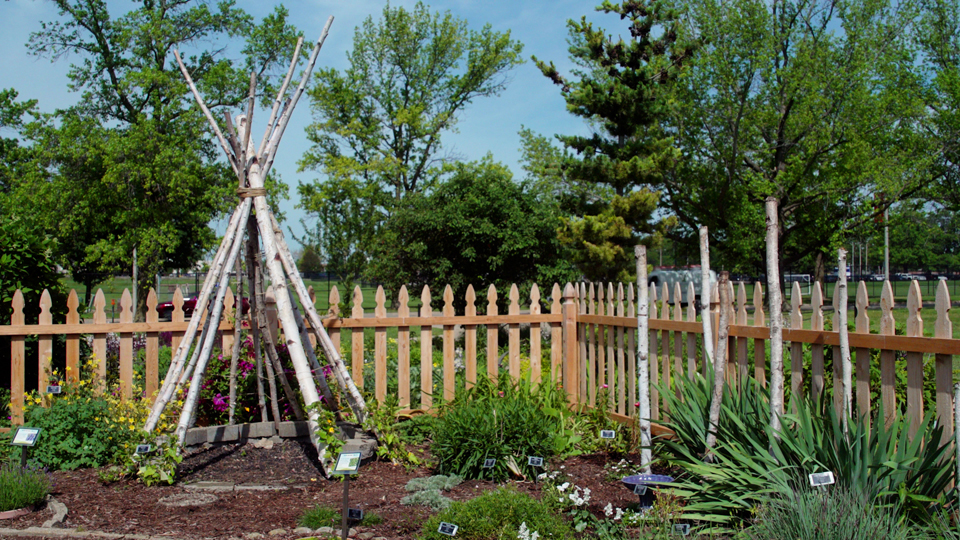
The “little prairie” invites kids to step into prairie grasses and goldenrod, climb on stumps, and feel the grasses tickle their legs—an intentional contrast to the usual “don’t step on the flowers” rules in many gardens. Another standout feature is a teepee made from donated birch branches tied together at the top and planted with black-eyed Susan vine; by midsummer, the vine is expected to cover the frame, creating a leafy hideaway. A bit of twine helps guide the vines upward at first, after which they climb on their own to the top. Dears notes that the Children’s Garden changes every week as different plants bloom, and she encourages families to visit often.
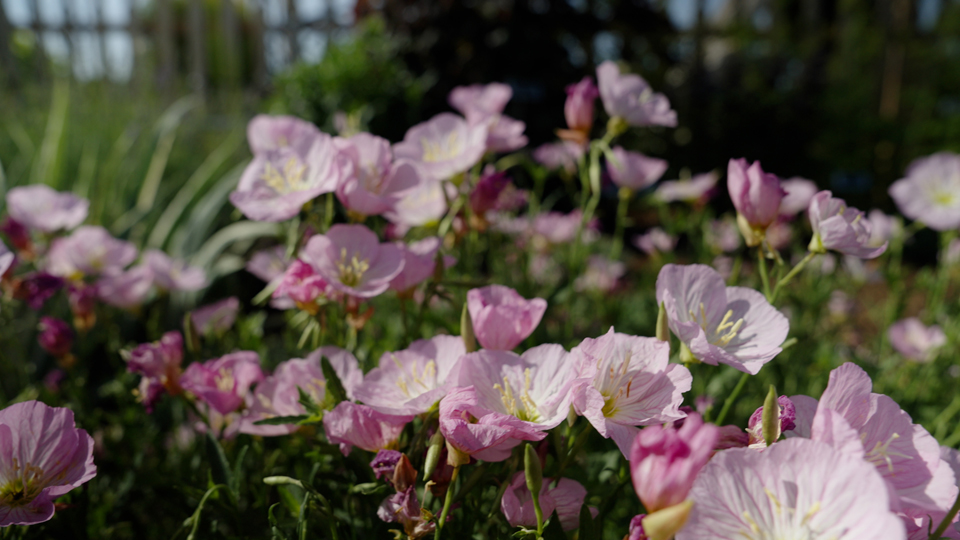
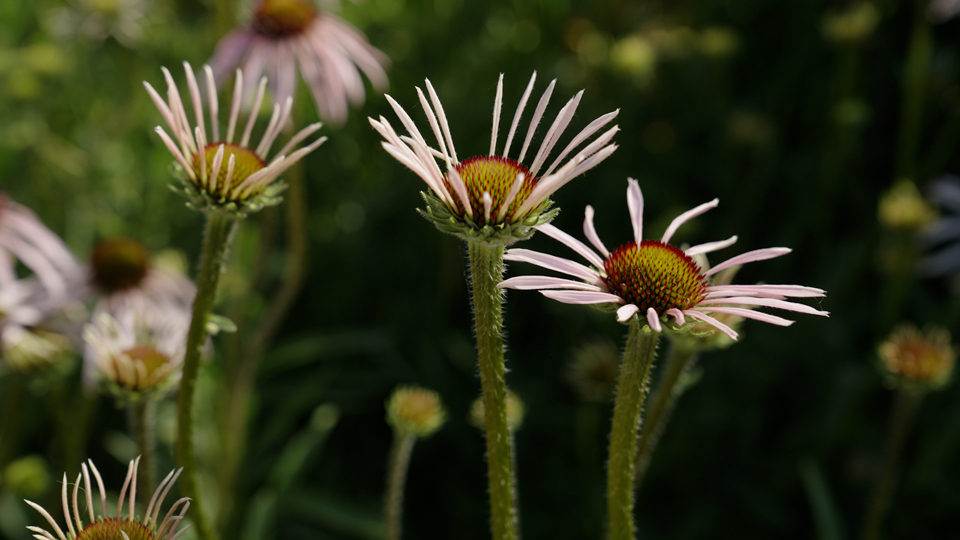
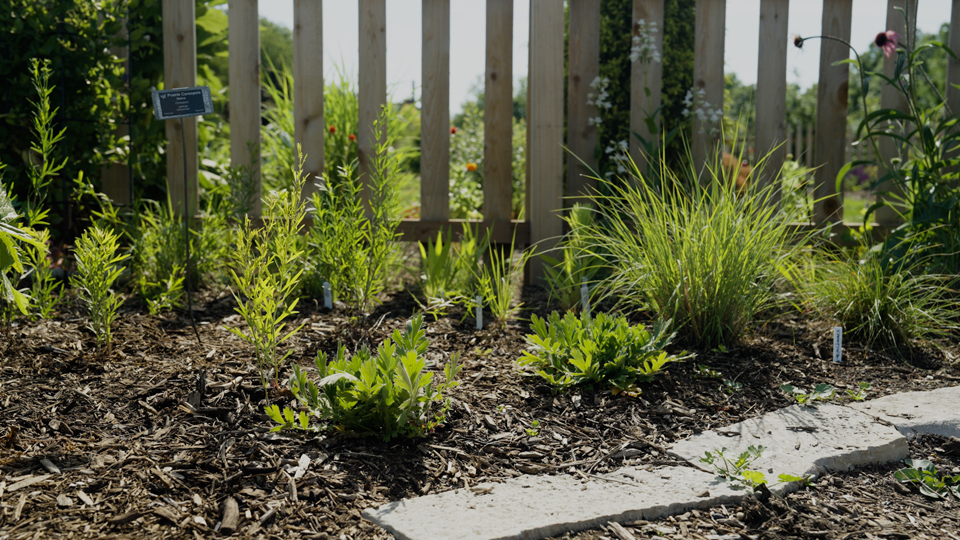
Native Plant Section: Colorful, Resilient, and Pollinator-Friendly Master Gardener Lisa Damon oversees the Native Plant section, which began as a completely blank slate just over four years ago. The team’s goal was to fill the area with Illinois-native, pollinator-friendly perennials that demonstrate how homeowners can incorporate such plants into their own landscapes. Damon explains that native plants are well suited to Illinois’ climate and natural conditions, making them generally easier to care for once established. All of the plants in this section are perennials, adapted to local temperature and rainfall patterns and returning year after year.
Not every experiment went smoothly. A neighboring section, planted at the same time with small plug plants, struggled until the team discovered a large rubber mat buried beneath the soil—a remnant from an earlier tropical display designed to create a wetter environment. The mat prevented the new natives from thriving; with considerable effort, volunteers removed it in early spring and replanted the area. Damon notes that similar hidden obstacles can occur in home gardens, especially when new owners inherit unknown landscaping, and sometimes you simply have to.
The section also illustrates the classic perennial timeline: “first year it sleeps, then it creeps, then it leaps,” a progression visible in the maturing beds. For gardeners who assume Tropicals or non-natives are the only way to get color and drama, the Native Plant section demonstrates that Illinois natives can be both colorful and beautiful, offering a different “show” each week.
The garden also participates in a trial program with Proven Winners, growing plants in development and providing feedback before market release. The episode concludes with information about the upcoming Garden Walk, the region's largest gardening event held the third weekend in June, featuring a vendor fair at the Idea Garden and self-guided tours of private gardens throughout Champaign-Urbana.
The Idea Garden, with its blend of experimentation, education, and community spirit, stands as a community resource where visitors are encouraged to wander, learn, and carry home both practical ideas and a renewed connection to the outdoors.
If you have questions (send photos if you have them!), we’ve got you covered. Send questions to yourgarden@gmail.com, or check out our Facebook page and feel free to leave your questions there! We will try to get it answered on an upcoming show or web segment!
Plus, you can follow us on Instagram for more exciting content!