Illinois and the American Revolution
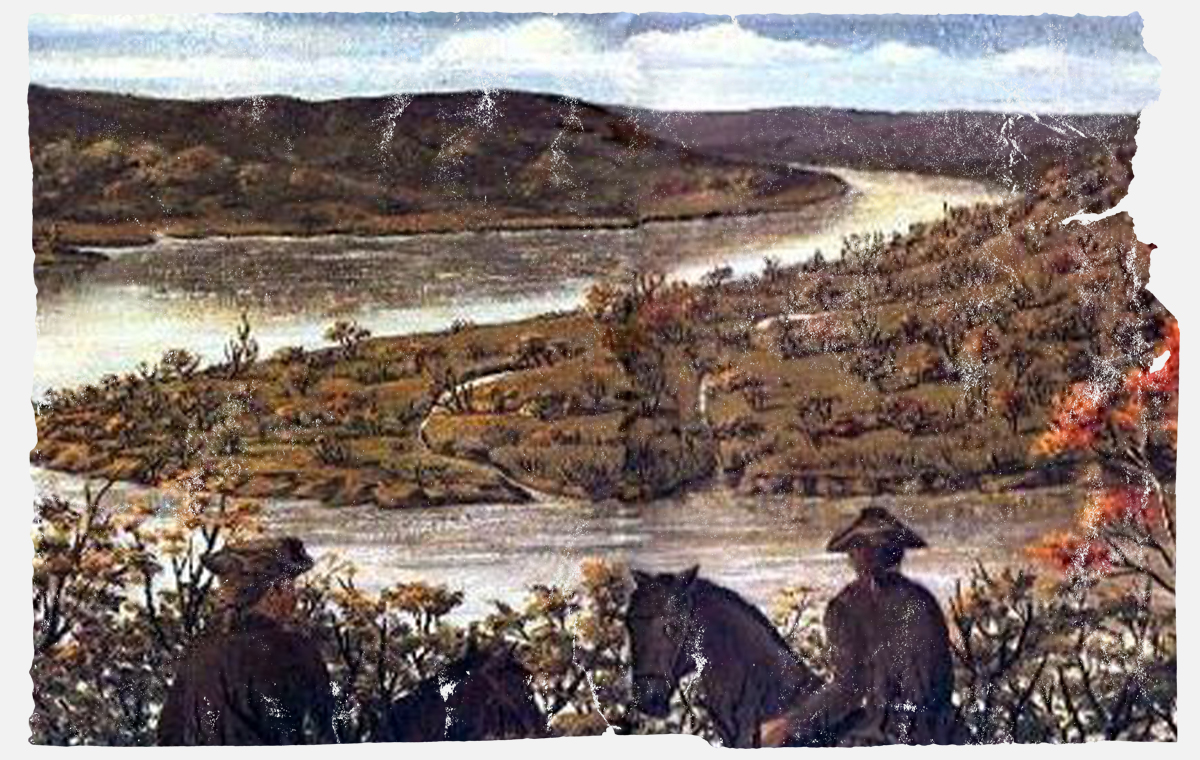
The American Revolution was not just about taxes and independence as told in most history books, but it was also about land control, particularly in the Ohio River Valley.
Most stories about the American Revolution tell of the famous uprising and disputes in places like Boston and Philadelphia, but equally important was the importance of the west, and particular the area what was then known simply known as “Illinois Country”.
Control of the West
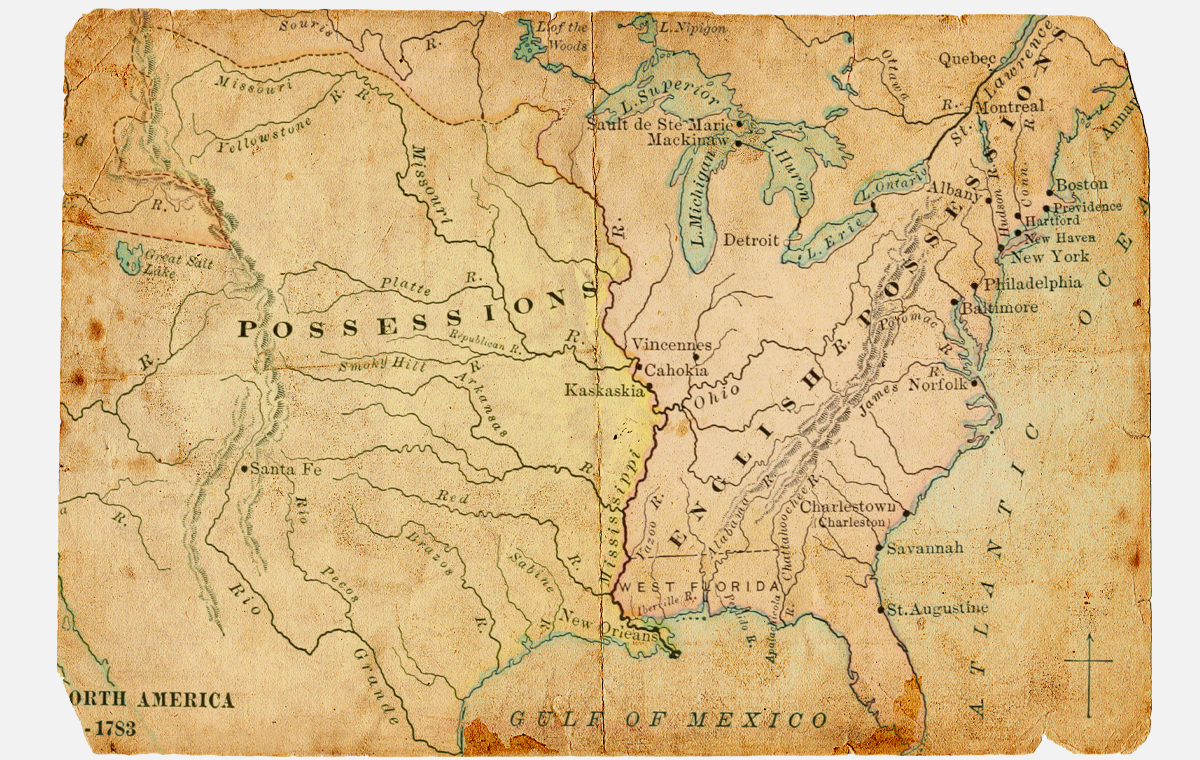
In 1763, at the end of the Seven Years War, Great Britain took possession of basically all of North America east of the Mississippi. However, they now had a challenge in how to govern their new territory, and to minimize conflicts with the indigenous nations that occupied territory, they passed a piece of legislation in 1763 which essentially banned settlement in the territory west of the Appalachians for American colonists.
“The problem was”, explains historian Bob Morrissey, “was that many colonists, and elite colonists in particular, viewed that territory as really ripe for the future economic development of the colonies, and so they resented this proclamation that banned not only settlement, but the purchase and sale of that land as well.”
Some well-known figures from our history books, including George Washington, Benjamin Franklin, and Patrick Henry, would stand to lose a lot of money as investors in land speculation companies and other various prospects and schemes. This naturally added to an already growing resentment these famous colonists had with the British government.
“All of this is to say that as much as the American Revolution is a story about abstract principles like liberty and independence and how to set up an independent government,”, says Morrissey. “It's also a question about land and who's going to control this massive territory in the American West.”
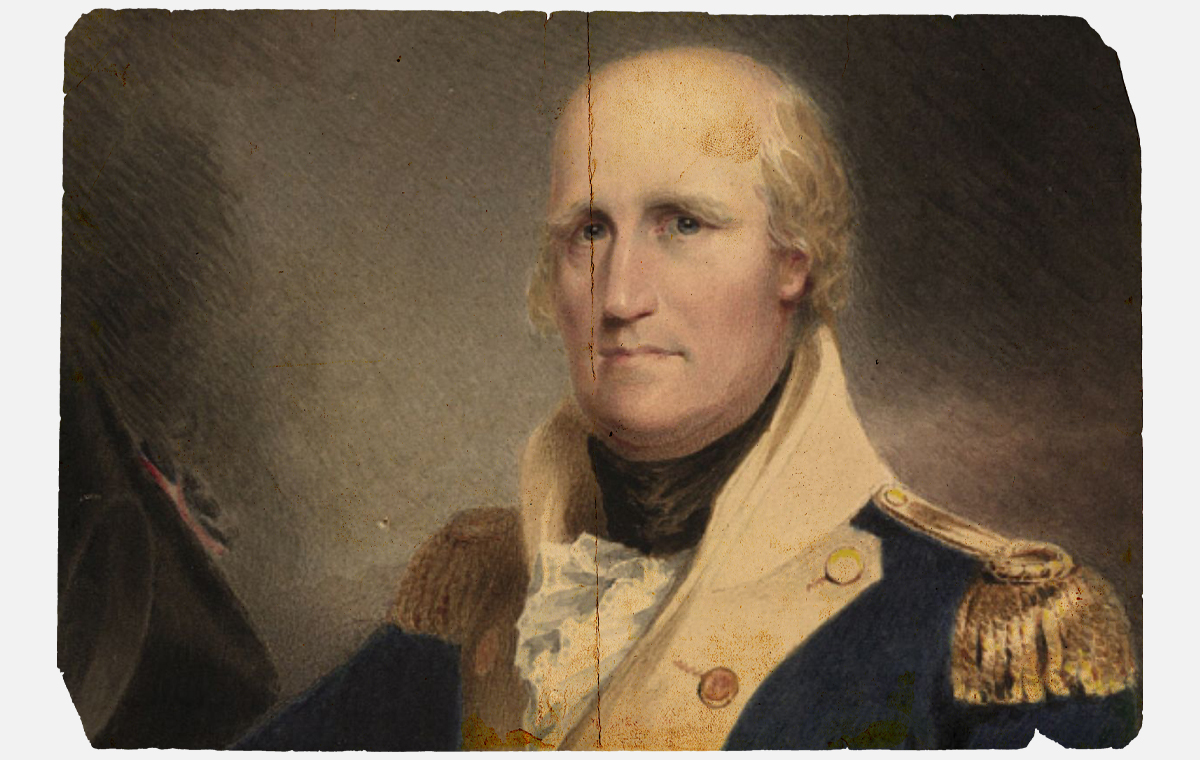
George Rogers Clark
In 1778, George Rogers Clark, a Virginian, is appointed by officials to lead what would be known as the “Illinois Campaign”. Clark is an ambitious man, a smart military strategist who believes that the American Revolution will not be complete unless it's carried all the way to the Mississippi River. And he wants to do that himself.
In July of 1778, with an army of roughly 175 men, Clark descends the Ohio River from Clarksville, Indiana, cross over the Mississippi River until they arrive at the the town of Kaskaskia. They take control of Fort Kaskaskia without firing a shot, and then later take control of Cahokia, another French settlement in the Illinois country.
In the winter of 1779, they take possession of Vincennes, Indiana, a French outpost under the control of Britain.
Because the British ceded the entire area northwest of the Ohio River to the United States in the 1783 Treaty of Paris, some historians have credited Clark actions with nearly doubling the size of the original Thirteen Colonies. For this reason, Clark was acclaimed "Conqueror of the Northwest", and his Illinois campaign—particularly his surprise march on Vincennes—was greatly celebrated and romanticized.
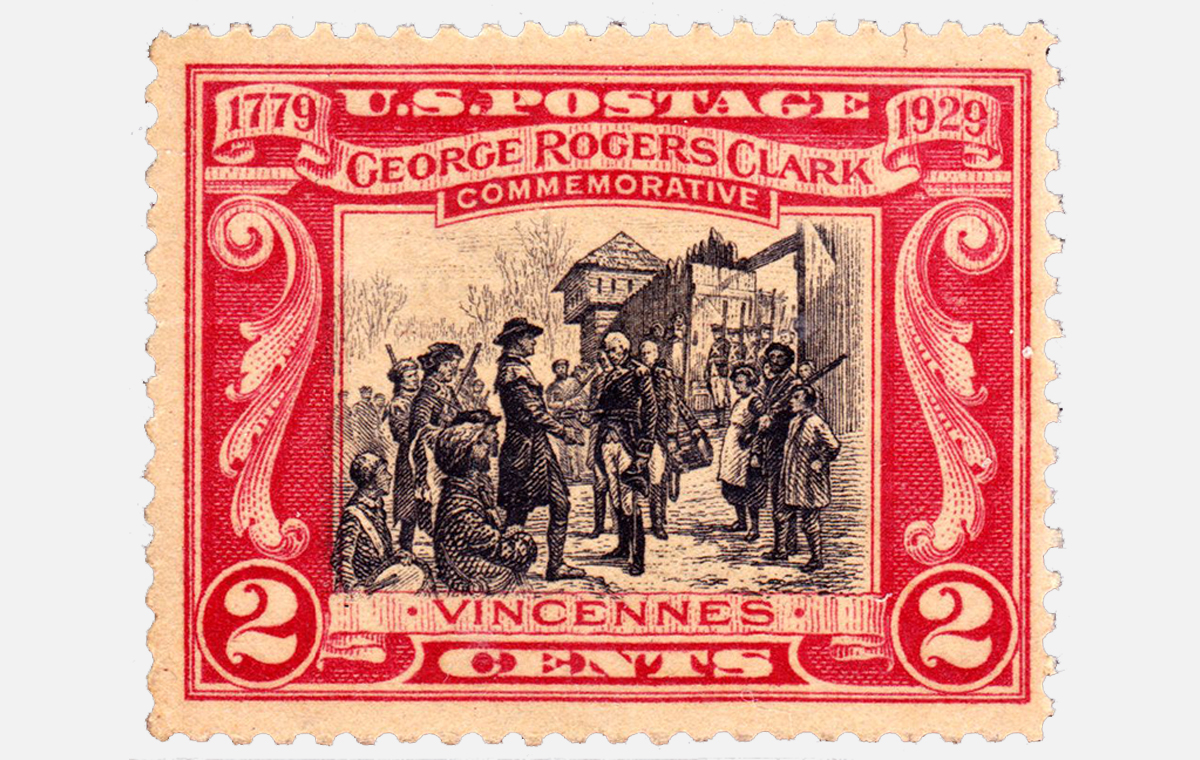
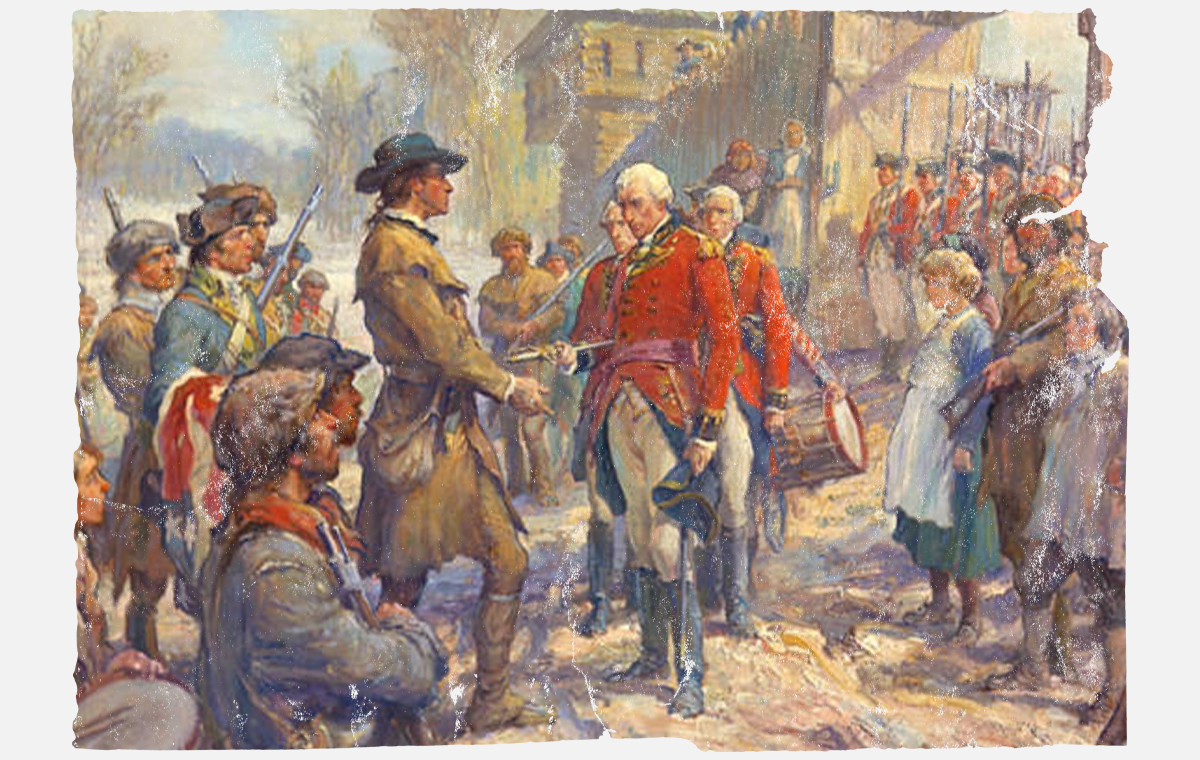
The Treaty of Paris in 1783 ceded British land to the U.S., but it also ignored indigenous claims.
"Oftentimes left out of this heroic story of George Rogers Clark, is the fact that this land, of course, is the homeland of many indigenous nations who were not consulted in 1783, and who still claimed sovereignty in that territory.”, explains Morrissey.
“Clark's arrival inspired many of those indigenous nations to cooperate together to begin to resist the arrival of the Americans.”, says Morrissey. “Clark's importance lasts much beyond the American Revolution, because it sets the stage right for these later conflicts that the United States will engage with the indigenous people of the Midwest.”