
Across Midwest Farm Fields, Pesticide Exposure Is Tracked Unevenly Or Not At All
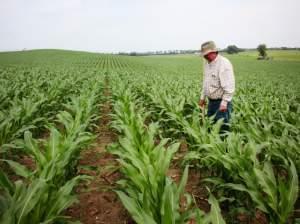
On July 28, 2017, a central Iowa emergency dispatcher received a 911 call from a man in a corn field.
Play the WILL AM news & talk livestream


Play the WILL FM classical and more livestream

Play the WILL FM all-classical livestream

Play the Illinois Soul livestream

Play the WILL TV livestream

Play the WILL-TV Kids 24/7 livestream

Play the Illinois Radio Reader livestream

On July 28, 2017, a central Iowa emergency dispatcher received a 911 call from a man in a corn field.

Row-crop farmers in Missouri, Illinois, Indiana and Arkansas overwhelmingly now use dicamba, realizing it’s their best chance to protect against damage. But specialty-crop farmers are still at risk, and feel they are running out of options on how to fight back.

Pesticides are all over, from backyard gardens to cornfields. While their use doesn’t appear to be slowing, concern over drift and the resulting effects on health is driving research — and more worries. Those concerns are bringing pesticides to a different venue: courtrooms.
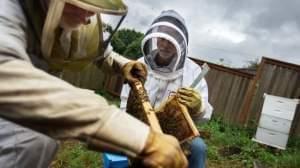
"The long-standing assumption is that fungicides won't be toxic to insects," says May Berenbaum, an entomologist at the University of Illinois Urbana-Champaign. But Berenbaum and her colleagues found, in a study published Monday by the Proceedings of the National Academy of Sciences, that fungicides can harm bees by making it harder for them to metabolize their food.
Campbell Hall
300 N. Goodwin
Urbana, IL 61801